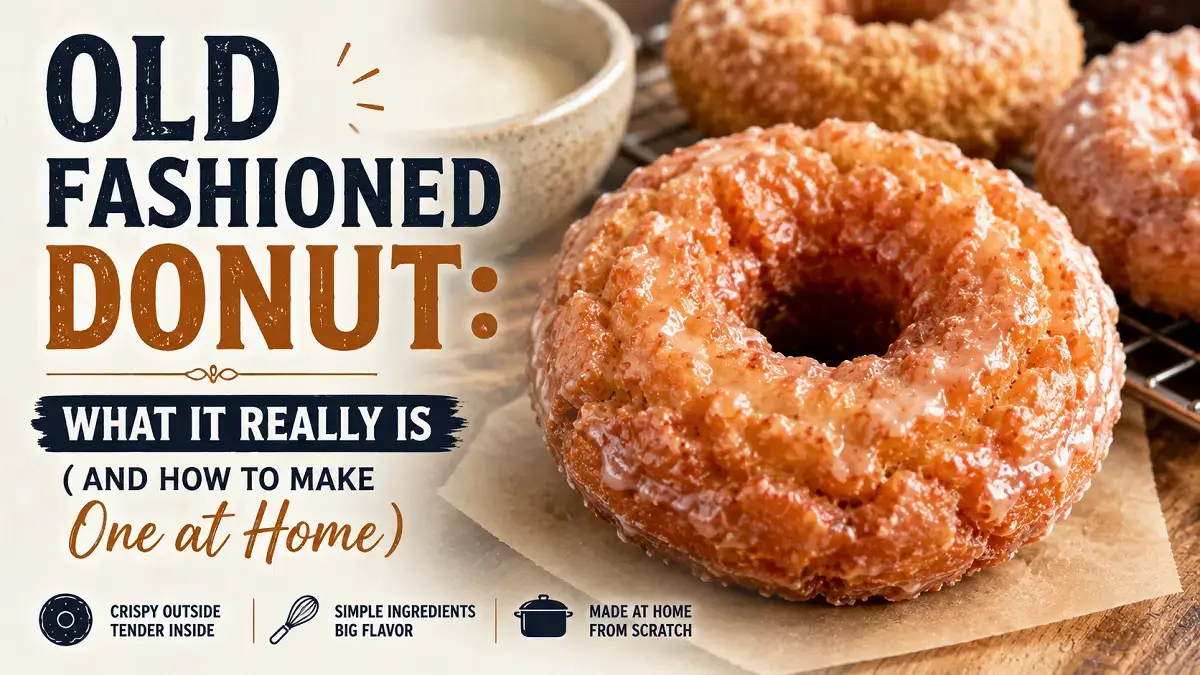
Old Fashioned Donut Recipe: Easy, Crispy and Delicious
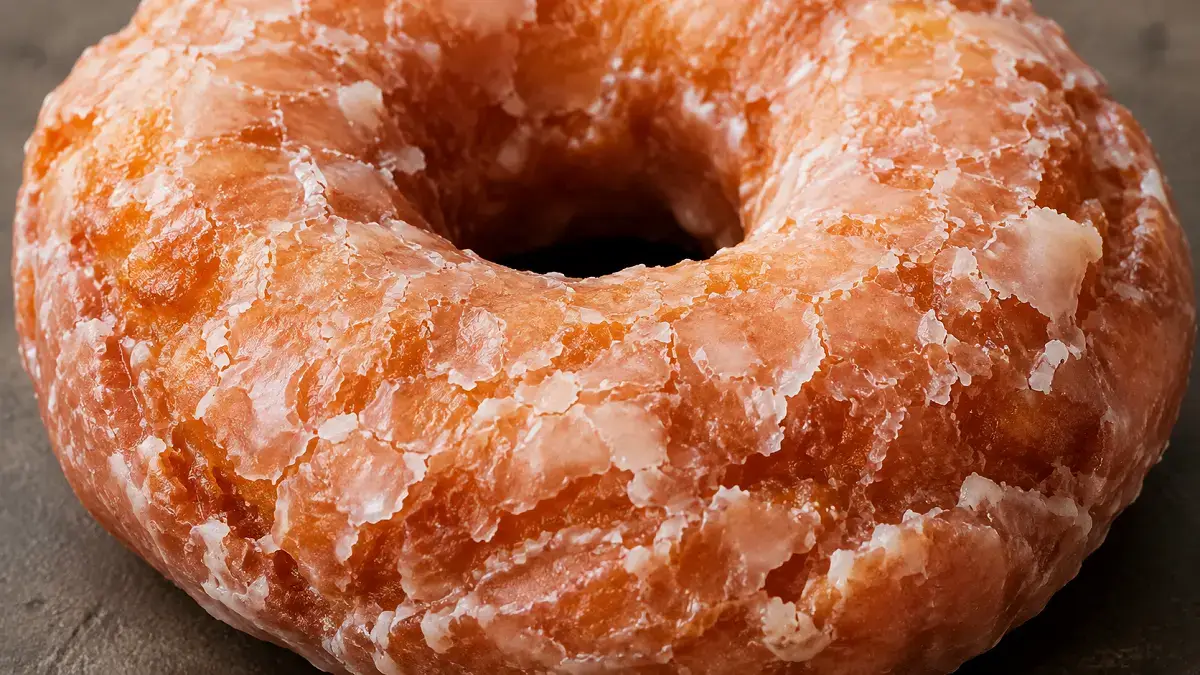
Bite into an old fashioned donut and you’ll notice something right away: it’s not soft and pillowy like a glazed yeast donut. It’s dense, a little craggy on top and it shatters slightly before giving way to a tender, cake-like center. If you’ve ever wondered why this particular donut looks and tastes so different from the rest of the case, you’re not alone; it’s one of the most searched donut questions out there.
This guide breaks down exactly what an old fashioned donut is, how it differs from cake and yeast donuts, the most popular flavor variations and a reliable recipe you can make in your own kitchen tonight.
Quick Answer
An old fashioned donut is a cake style donut made with chemical leaveners (baking powder, not yeast), giving it a dense, tender crumb and a signature cracked, craggy exterior. It’s typically flavored with nutmeg, made with sour cream or buttermilk and dipped in a thin glaze while still warm.
What Makes a Donut “Old Fashioned”?
An old fashioned donut belongs to the cake donut family, not the yeast donut family. That single distinction explains almost everything else about it.
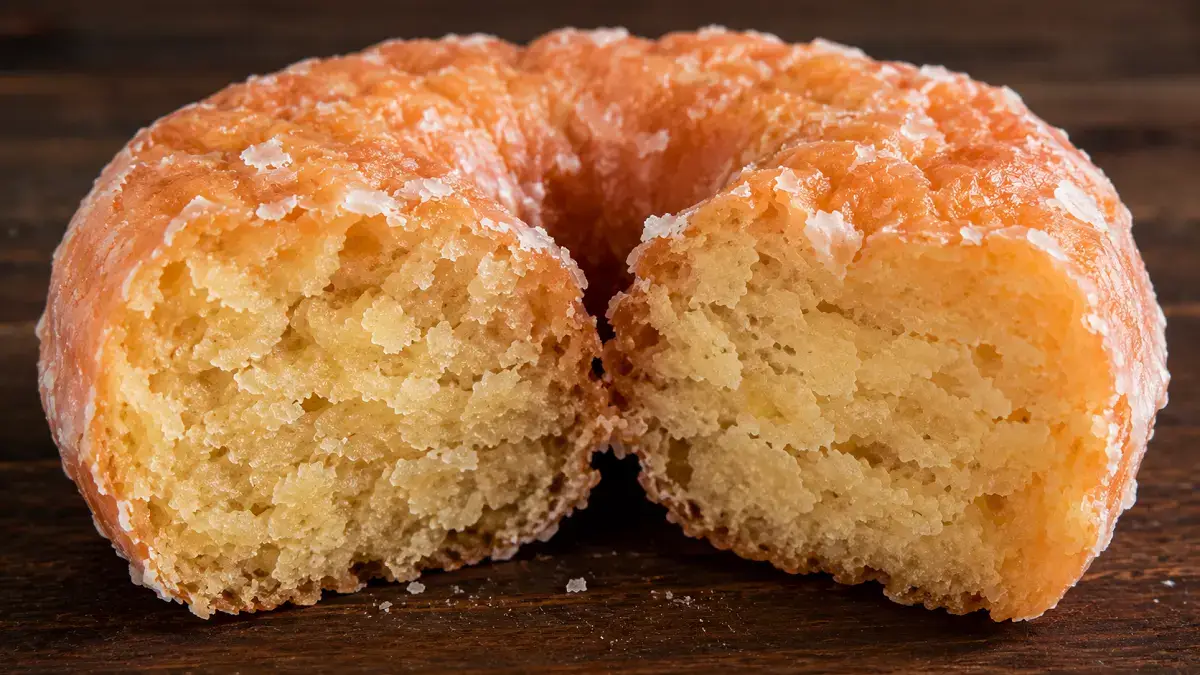
Cake donuts get their rise from baking powder and baking soda instead of yeast. That means no proofing, no waiting for dough to rise. The batter goes from mixing bowl to fryer in a fraction of the time a yeasted donut takes. According to <cite index=”5 1″>Wikipedia, the old fashioned doughnut is a term used for a cake doughnut shaped like a ring with a cracked surface and tapered edges and while early cookbooks used the term for yeast based recipes, modern doughnut shops use it to describe a cake doughnut made with chemical leavener.</cite>
That cracked, “old fashioned” look isn’t a mistake, it’s the goal. The batter is denser and slightly drier than other cake donut batters, so as it fries and expands, the surface splits open into those signature crags. Those cracks and crevices are actually functional: they create more surface area for the glaze to cling to, which is why old fashioned donuts often taste extra glazed compared to a smooth yeast ring.
Common characteristics of an authentic old fashioned donut:
- Cake style base no yeast, quick to make
- Crackly, uneven surface not smooth like a glazed donut
- Dense but tender crumb more substantial bite than a yeast donut
- Nutmeg forward flavor a small but distinctive spice note
- Sour cream or buttermilk in the batter for moisture and slight tang
- Fried at a slightly lower temperature than yeast donuts, which helps the crust crisp and crack properly
Old Fashioned Donut vs. Other Donut Types
It’s easy to lump all donuts together but old fashioned donuts sit in a specific spot on the donut spectrum. Here’s how they compare to the styles people most often confuse them with.
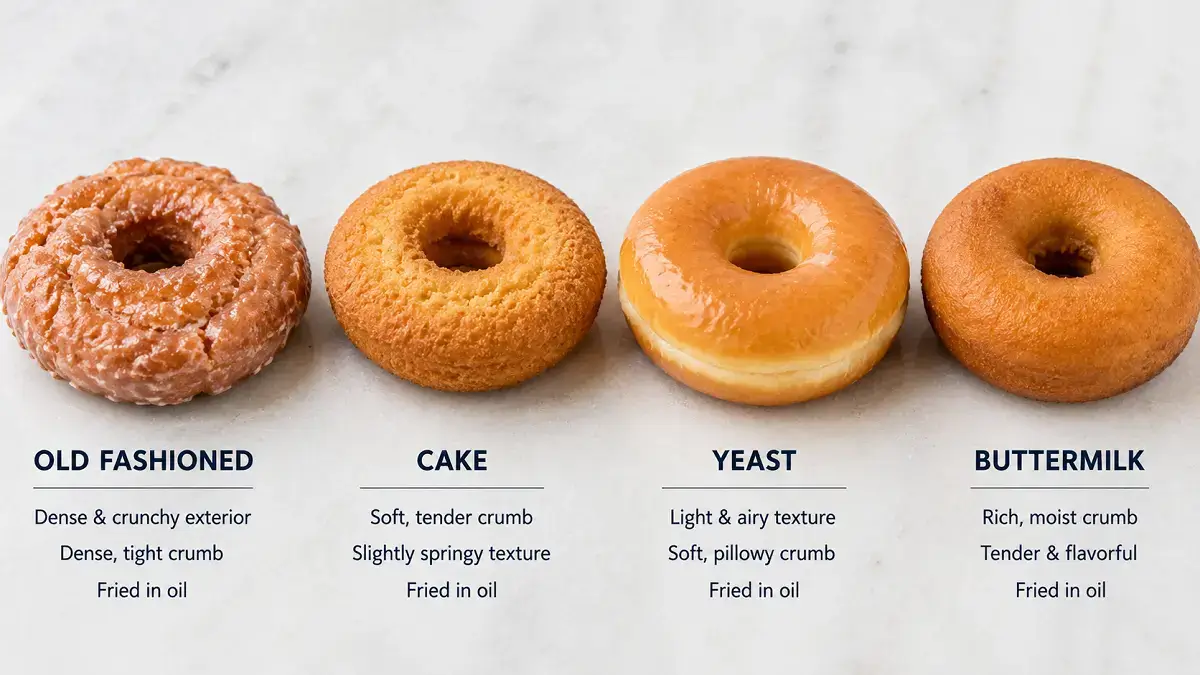
| Donut Type | Leavening | Texture | Best For |
|---|---|---|---|
| Old Fashioned | Baking powder/soda | Dense, cakey, crackly crust | Coffee dunking, classic bakery flavor |
| Cake Donut (plain) | Baking powder/soda | Dense, smooth surface | Simple flavors, cinnamon sugar coating |
| Yeast/Raised Donut | Yeast | Light, airy, pillowy | Glazed, filled or frosted styles |
| Buttermilk Donut | Baking powder/soda | Similar to old fashioned, slightly tangier | Those who want extra richness |
The main point of confusion is usually cake donut vs. old fashioned donut. They’re closely related. An old fashioned donut is technically a type of cake donut but not every cake donut is “old fashioned.” The old fashioned style specifically has that cracked top and is almost always glazed while warm, whereas a general cake donut can have a smooth surface and any topping, from cinnamon sugar to sprinkles.
Popular Old Fashioned Donut Variations
Once you understand the base recipe, the flavor possibilities are what keep old fashioned donuts interesting. These are the variations people search for and order most:
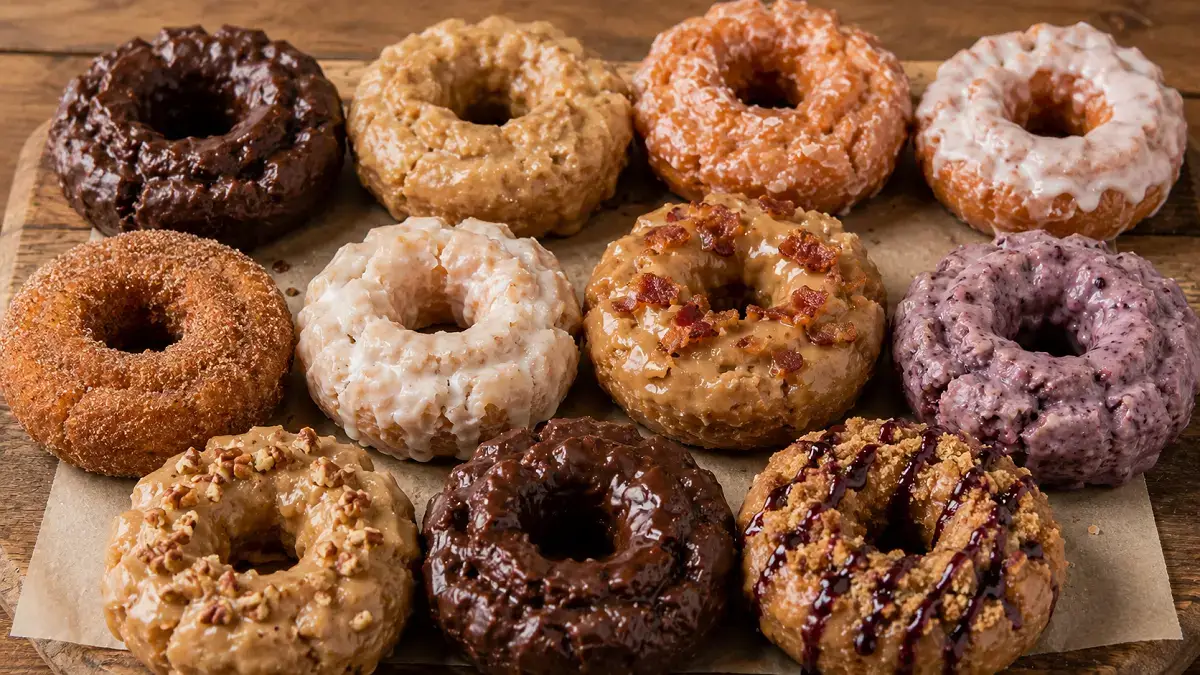
- Glazed old fashioned donut the classic version, dipped in a thin vanilla glaze while still warm so it sets into that signature crackly shell
- Chocolate old fashioned donut cocoa powder added to the batter, often finished with a chocolate or vanilla glaze
- Maple old fashioned donut vanilla batter topped with a maple flavored glaze or icing
- Buttermilk old fashioned donut buttermilk swapped in for sour cream, giving a slightly tangier, richer flavor
- Blueberry old fashioned donut dried or freeze dried blueberries folded into the batter, sometimes paired with a blueberry glaze
- Apple cider old fashioned donut a seasonal favorite made by reducing apple cider into the batter, typically rolled in cinnamon sugar instead of glazed
Classic Old Fashioned Donut Recipe
This is a foolproof version you can make without any special equipment beyond a deep pot and a thermometer.
Ingredients (makes about 10 12 donuts):
- 3 cups cake flour
- 1 cup granulated sugar
- 2 teaspoons baking powder
- 1/2 teaspoon baking soda
- 3/4 teaspoon salt
- 1/2 teaspoon nutmeg
- 3 large egg yolks
- 4 tablespoons unsalted butter, softened
- 1/2 cup sour cream (or buttermilk)
- Vegetable or canola oil, for frying
- 2 cups powdered sugar
- 4 5 tablespoons milk, for the glaze
Instructions:
- Whisk together the cake flour, sugar, baking powder, baking soda, salt and nutmeg in a large bowl.
- In a separate bowl, beat the butter and egg yolks until creamy, then mix in the sour cream.
- Combine the wet and dry ingredients until just incorporated, don’t overmix or the donuts will turn tough instead of tender.
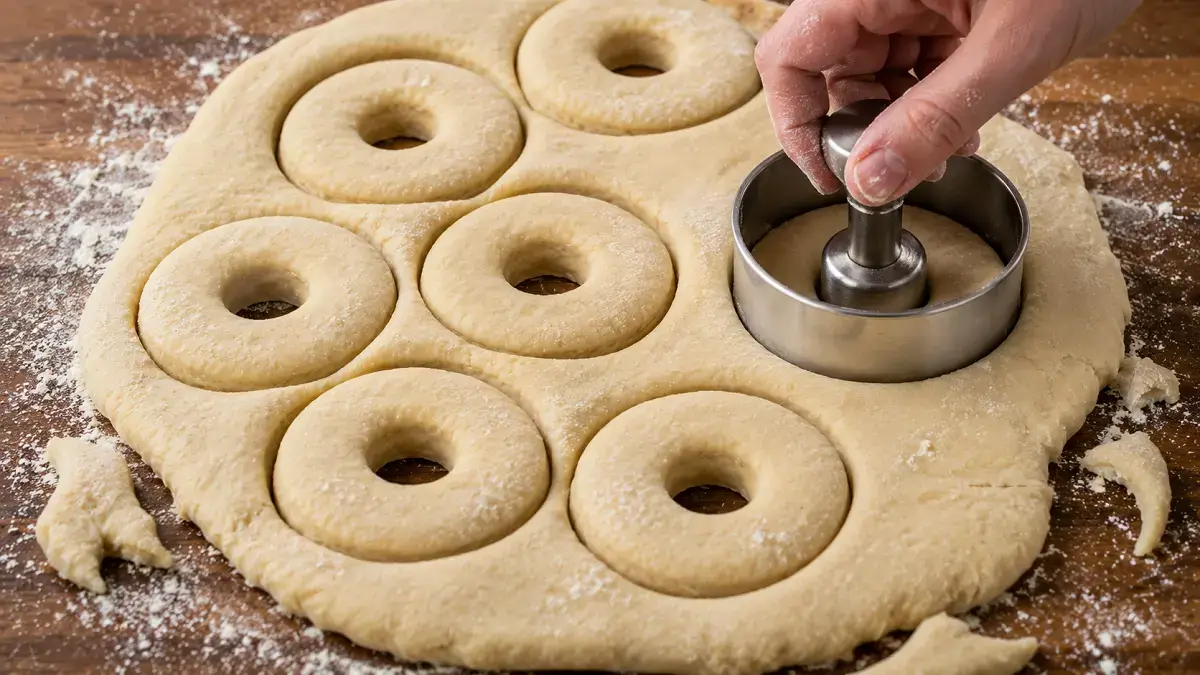
- Chill the dough for at least 30 minutes; this makes it much easier to roll and cut.
- Roll the dough to about 1/2 inch thickness on a floured surface and cut with a donut cutter (or two round cutters of different sizes).
- Heat oil to 325 330°F in a deep, heavy bottomed pot.
- Fry each donut about 90 seconds to 2 minutes per side, until deep golden brown. Don’t overcrowd the pot.
- Drain on a wire rack or paper towels.
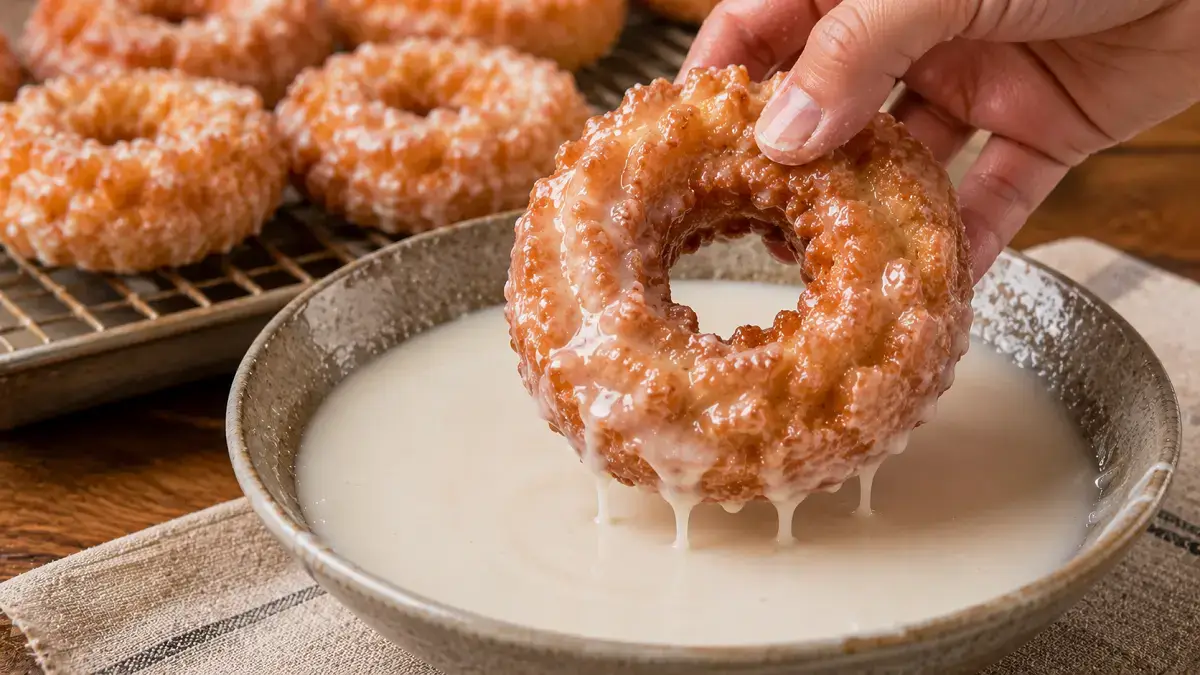
- Whisk powdered sugar and milk into a thin glaze and dip each donut while it’s still warm so the glaze sets into the classic crackly coating.
Common mistakes to avoid:
- Skipping the chill time warm dough is sticky and hard to shape and it won’t crack properly when fried.
- Frying too hot high heat browns the outside before the inside cooks, leaving a raw center.
- Overmixing the batter this activates too much gluten and results in a tough, bread like texture instead of a tender crumb.
- Glazing cold donuts the glaze won’t adhere the same way and loses that signature crackly finish.
Calories and Nutrition
Because old fashioned donuts are fried and glazed, they land on the higher end of the donut calorie range. A typical glazed old-fashioned donut from a bakery or chain generally falls in the 300-360 calorie range, depending on size and glaze thickness, with roughly 15-20 grams of fat and 30-40 grams of carbohydrates. Chocolate and specialty glazed versions can run higher due to added sugar and icing.
Exact numbers vary by brand and recipe, so if you’re tracking calories closely, it’s worth checking the specific nutrition label or menu information for the donut you’re eating rather than relying on a single average figure.
Storage Tips
Old fashioned donuts are best eaten the day they’re made but they’ll hold up reasonably well if stored properly:
- Keep them in an airtight container at room temperature for up to 2 days.
- Refrigerate for slightly longer freshness, though the texture will firm up.
- Freeze unglazed donuts for up to 2 months; thaw and glaze fresh for the best texture.
- Avoid storing them uncovered. The crackly exterior that makes them great also makes them dry out faster than a glazed yeast donut.
FAQs
Conclusion
An old fashioned donut isn’t just a donut with a fancy name it’s a specific style defined by how it’s made: no yeast, a dense cake batter and that unmistakable cracked, glaze catching surface. Once you know what to look for, it’s easy to tell an authentic old fashioned donut apart from a standard cake donut or a light, airy yeast ring, whether you’re picking one up at a bakery or frying a batch at home.
If you’re ready to expand your donut know-how, check out our guides on sour cream donuts, homemade maple glaze and how to keep fried donuts fresh longer for more ways to bring the bakery experience into your own kitchen.
