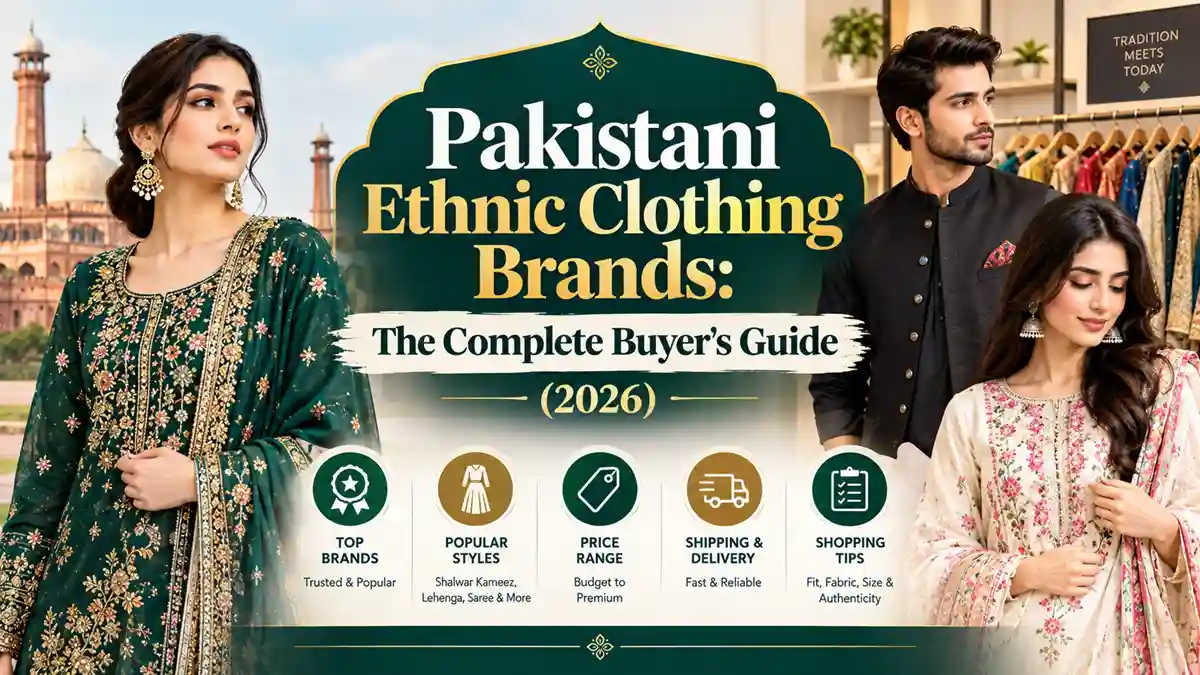
Pakistani Ethnic Clothing Brands: The Complete Buyer’s Guide
Scrolling through dozens of Pakistani ethnic clothing brands can feel overwhelming every store claims premium fabric, every collection looks stunning in photos and prices swing from budget friendly to designer level within the same search results page. If you’re trying to figure out which ethnic Pakistan brand clothing is actually worth your money, the confusion usually comes down to three things: not knowing which brands specialize in what, not understanding stitched versus unstitched options and not knowing how to shop confidently if you’re outside Pakistan.
This guide breaks down the leading Pakistani ethnic clothing brands, explains the fabric and stitching choices that affect fit and price and gives you a clear framework for choosing a brand based on your occasion, budget and location.
Quick Answer
Pakistani ethnic clothing brands range from heritage names like Khaadi and Gul Ahmed (known for lawn and everyday wear) to luxury designers like Sana Safinaz and Maria B (known for bridal and festive wear). The right brand depends on your budget, the occasion and whether you prefer ready to wear or custom tailored (unstitched) outfits.
What Makes a Brand Pakistani Ethnic Wear?
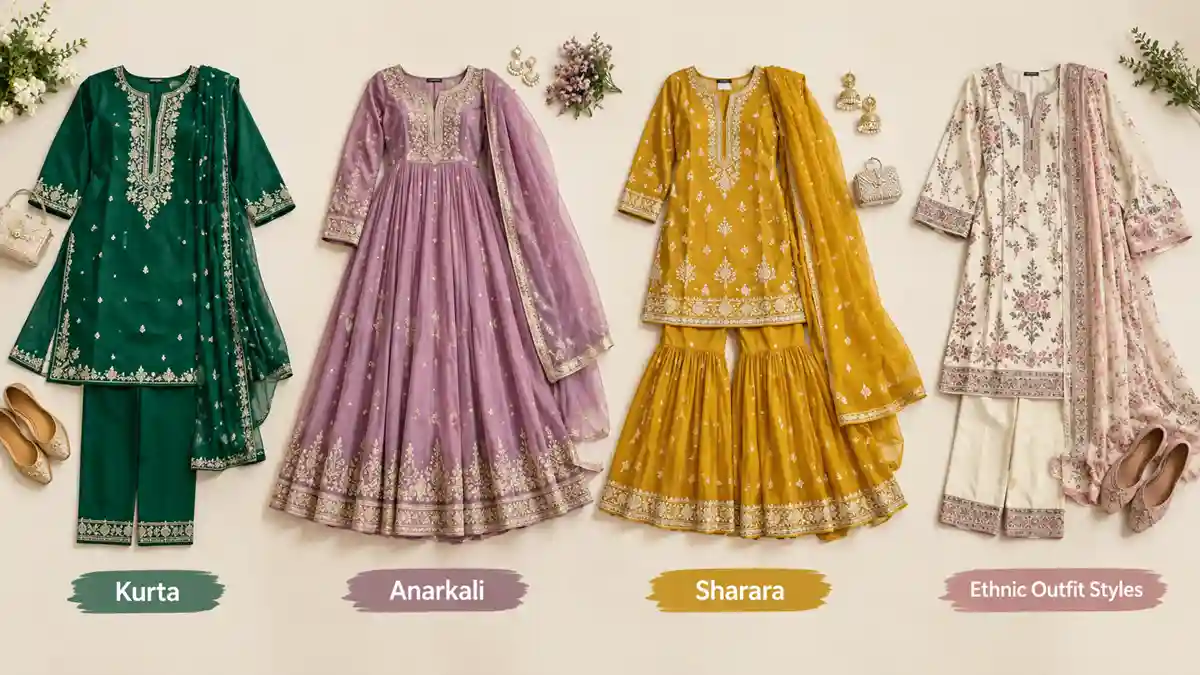
Pakistani ethnic wear refers to traditional South Asian garments primarily the shalwar kameez (a tunic and trouser set), kurta sets, anarkalis (flared, floor length frocks) and sharara or gharara sets (fuller trouser or skirt silhouettes) made using fabrics and embroidery techniques associated with Pakistani textile design. Brands are generally described as ethnic when their core product line is traditional wear, as opposed to Western style clothing.
Most Pakistani ethnic clothing brands compete on three factors:
Understanding these three factors makes brand comparisons much easier, because most pricing and positioning differences trace back to them.
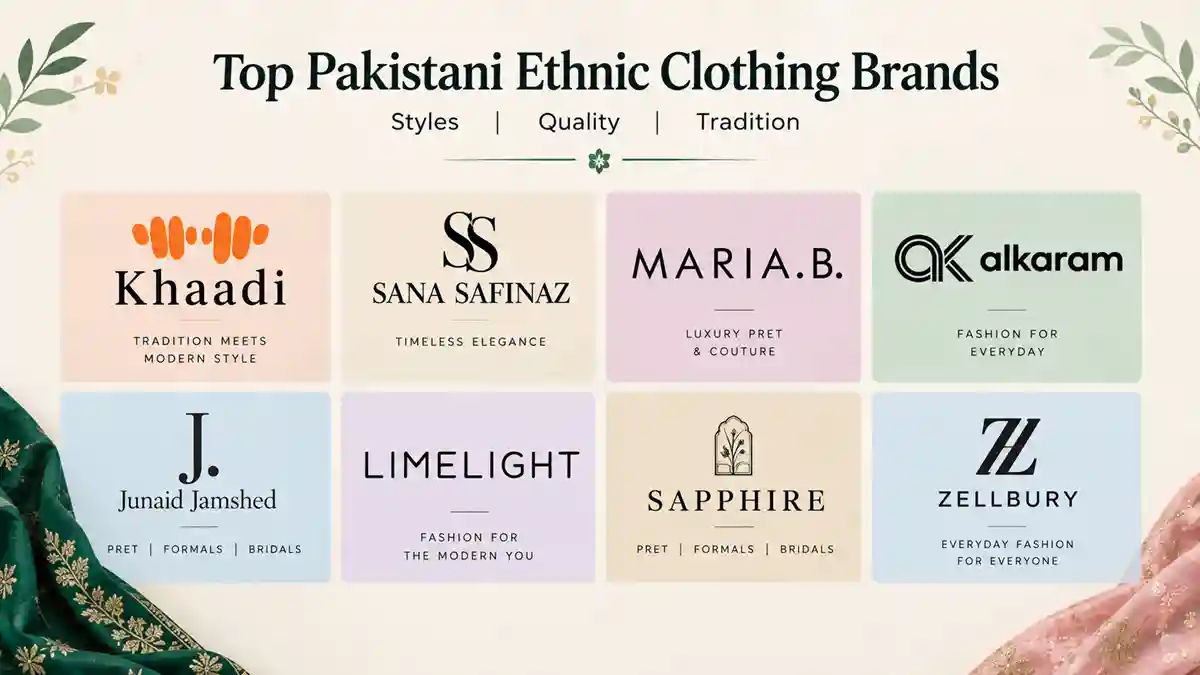
Top Pakistani Ethnic Clothing Brands to Know
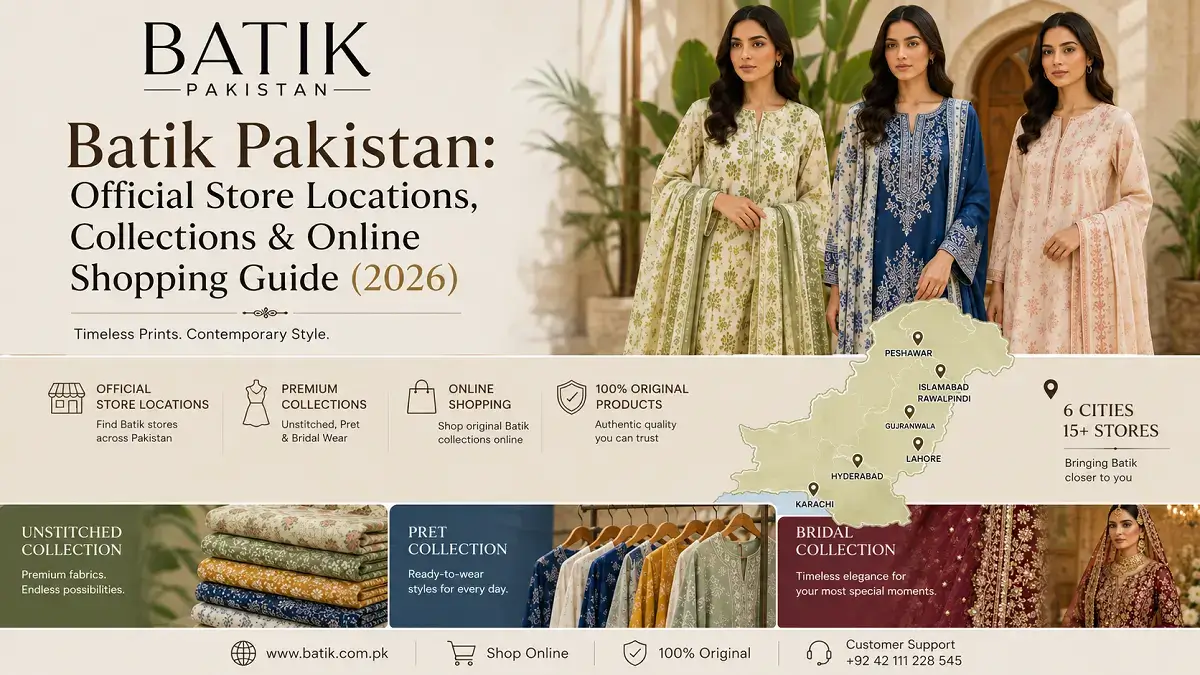
The Pakistani ethnic wear market spans budget friendly daily wear labels, mid range festive brands and high end designer houses. Here’s how some of the most recognized names compare:
| Brand | Known For | Price Tier | Best For |
|---|---|---|---|
| Khaadi | Hand woven fabrics, lawn collections | Mid range | Everyday wear, seasonal lawn |
| Gul Ahmed | Vibrant lawn textiles | Mid range | Summer and festive wear |
| Sana Safinaz | Luxury embroidery, elegant silhouettes | Premium/Luxury | Weddings, formal events |
| Maria B | Trend forward designs | Premium | Parties, festive occasions |
| Alkaram Studio | Textile heritage, unstitched fabric | Mid range | Unstitched lawn and linen |
| Nishat Linen | Wide seasonal collections | Mid range | Everyday and festive wear |
| J. (Junaid Jamshed) | Traditional kurtas, modest wear | Mid range | Daily wear, bridal accessories |
| Ethnic by Outfitters | Modern cuts, bold prints | Mid range | Younger, contemporary ethnic style |
| Limelight | Fast fashion turnover | Budget friendly | Trend driven casual wear |
A note on Ethnic: If you’ve seen the exact word Ethnic on a hangtag, that’s most likely Ethnic by Outfitters, a dedicated traditional wear line launched by Outfitters Private Limited (the company behind the Western wear brand Outfitters), based in Lahore. It’s one label among the many covered here, not a generic industry term worth knowing so you don’t confuse the brand name with the broader category of ethnic Pakistani clothing.
This list isn’t exhaustive the market also includes Sapphire, Bonanza Satrangi, Generation, Cross Stitch, HSY, Beechtree, Zellbury, Bareeze and So Kamal, among others. Coverage here is limited to brands with clearly verifiable positioning; if you don’t see a brand you’re curious about, it likely occupies a similar tier to one listed above.
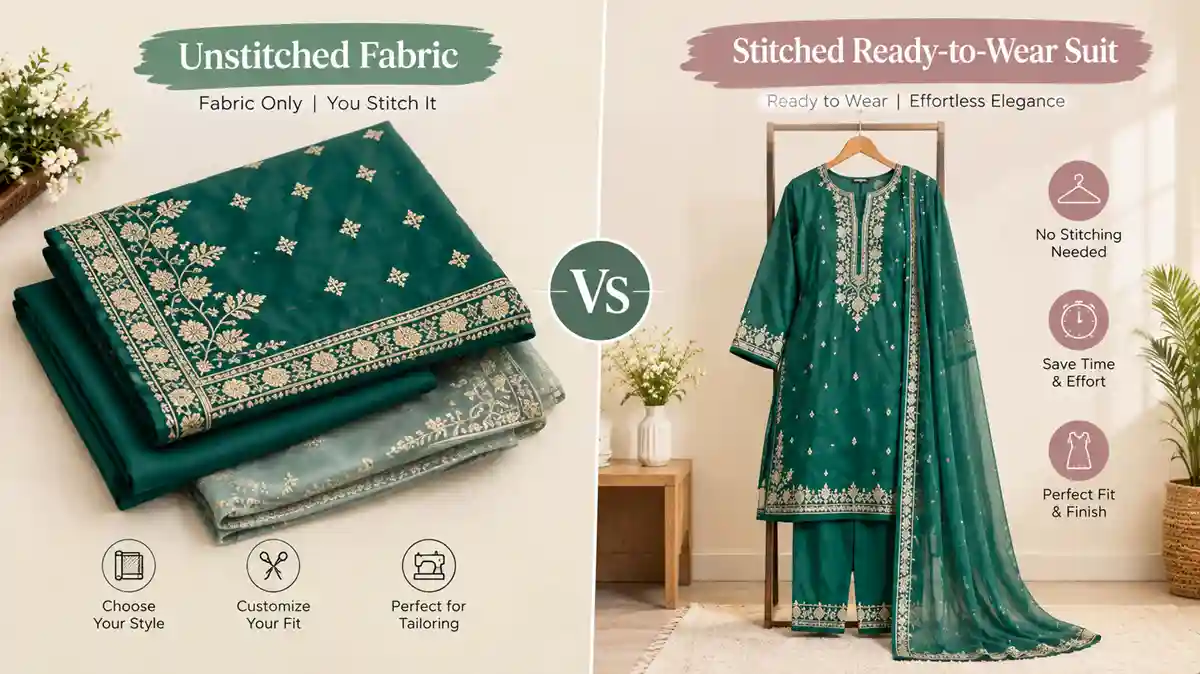
Unstitched vs Stitched (Ready to Wear): Which Should You Choose?
One of the biggest early decisions when buying Pakistani ethnic wear regardless of brand is whether to buy unstitched fabric or a stitched/ready to wear outfit.
| Factor | Unstitched | Stitched (Ready to Wear) |
|---|---|---|
| Fit | Custom tailored to your measurements | Standard sizing, may need alterations |
| Speed | Slower requires a tailor | Immediate wear straight out of the packaging |
| Cost | Often better value (you pay mainly for fabric) | Includes stitching cost, generally pricier per piece |
| Customization | Full control over neckline, sleeve and length | Limited to the design as sold |
| Best for | Formal wear, weddings, unusual sizing needs | Last minute events, everyday wear, gifting |
Decision guide:
How to Choose the Right Brand for Your Occasion
Common mistake to avoid: Buying an unstitched formal suit without confirming your tailor’s turnaround time before an event chiffon and heavily embroidered fabrics often take longer to stitch than simple lawn suits.
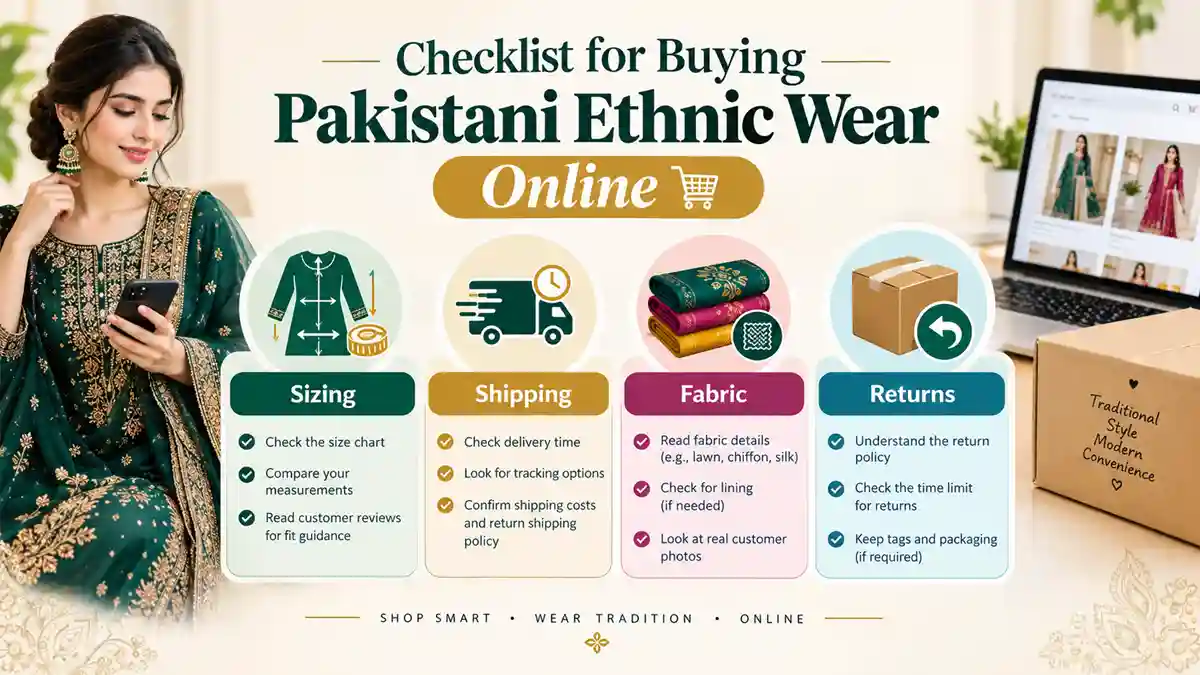
Buying Tips for Shopping Pakistani Ethnic Wear Online
Read More: Baroque Clothing Pakistan: Brand Guide, Collections and Where to Shop
FAQ
Conclusion
Choosing the right Pakistani ethnic clothing brand comes down to matching three things: your occasion, your budget and whether you’d rather have a custom fit (unstitched) or ready to wear convenience (stitched). Heritage names like Khaadi and Gul Ahmed cover everyday and seasonal wear, while Sana Safinaz and Maria B lead the premium wedding and formal wear segment with plenty of mid range and budget options in between.
If you’re shopping for a specific event, start with the occasion based recommendations above, then compare two or three brands within your budget tier before deciding on stitched or unstitched. For more detail on fabric care, sizing across brands or seasonal collection guides, explore the related resources linked below.